 Root
Root
Women in Agriculture: Why the Future of Farming Is Female
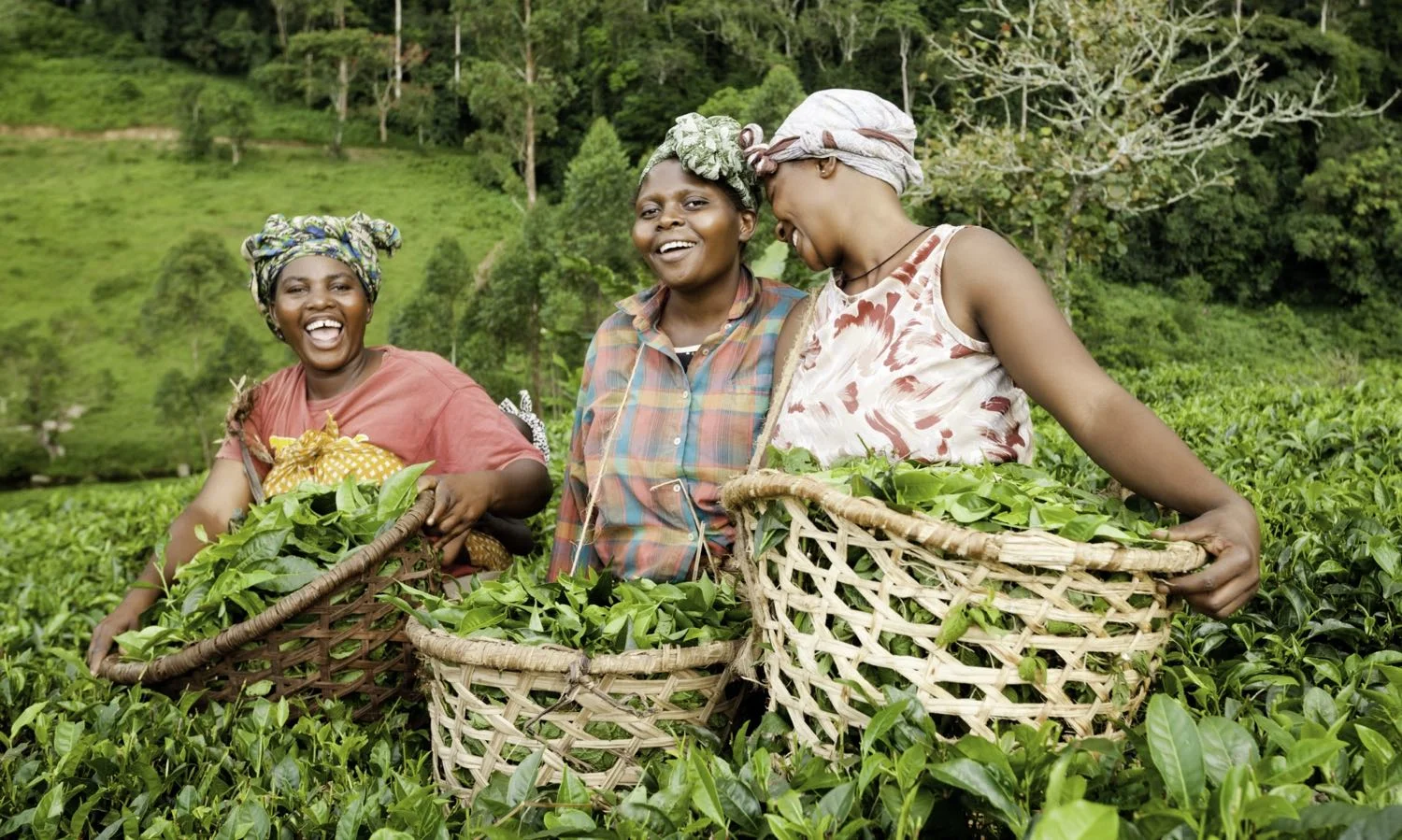
Women have long played a vital role in agricultural production, yet many still encounter structural challenges that restrict their access to vital resources, education, and decision-making opportunities. Data from the Food and Agriculture Organization (FAO) shows that women in developing nations account for roughly 43% of the agricultural workforce.
In numerous parts of the world, women carry much of the responsibility for producing food, managing crops, and supporting rural livelihoods. Despite this significant contribution, limited access to farmland, financial services, and modern agricultural technologies continues to constrain their productivity.
Studies suggest that providing women with the same resources available to men could raise farm output by 20–30%, a shift that would strengthen food availability and improve food security for millions of people.
At a time when agriculture is moving toward regenerative practices that prioritize soil health and ecological balance, while climate pressures reshape global food systems, the role of women in agriculture is becoming even more significant.
As public awareness around sustainable farming grows, the need to elevate female perspectives and leadership within the sector becomes clearer. Encouraging greater participation from women is central to building a resilient and environmentally responsible food system—one reason many experts argue that why the future of farming is female is not simply a slogan, but a reflection of the direction modern agriculture must take.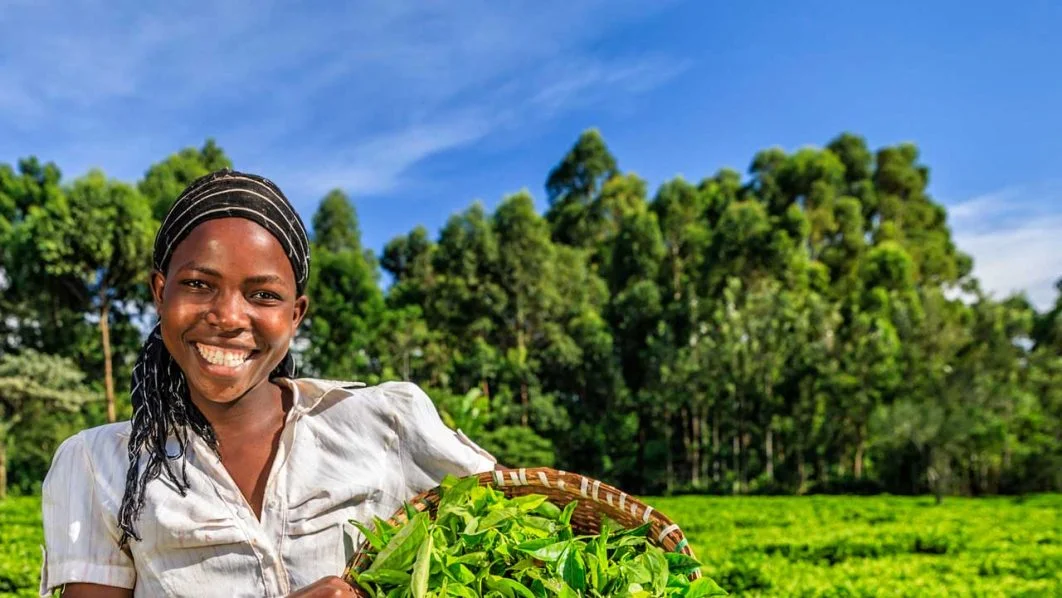
What Role Do Women Play in Agriculture?
The responsibilities carried by women in agriculture span far beyond a single role. Across farming communities, women operate as cultivators, farm workers, caregivers, and decision-makers. They grow crops, care for livestock, oversee food processing, and contribute meaningfully to both household livelihoods and broader rural economies.
In many villages, women farmers manage essential stages of production, including planting, harvesting, crop storage, and meal preparation. Across the world, women in agriculture make up close to 40 percent of the agricultural workforce, with their presence even stronger in lower-income nations.
Participation rates in regions such as South Asia and sub-Saharan Africa exceed the global average. According to the World Bank, around 80 percent of people living in poverty reside in rural areas, where farming remains a primary source of income and where a large proportion of these women are actively engaged in agricultural work.
Women living in rural areas account for roughly a quarter of the global population and play a vital role in maintaining food security, strengthening climate resilience, and supporting community stability. Even with their substantial contributions, many continue to operate with limited access to land, capital, and agricultural support compared with their male counterparts.
Their work often touches nearly every stage of the farming cycle. From preparing the soil and sowing seeds to harvesting crops and tending livestock, rural women are deeply involved in daily farm management. Many also take active steps to safeguard natural resources, adopting practices that help farms respond to shifting climate conditions and maintain productivity over time.
These efforts contribute to the growing recognition of why the future of farming is female, as sustainable agriculture increasingly depends on inclusive participation and leadership. Beyond the farm, rural women frequently shoulder a large share of unpaid domestic responsibilities.
Tasks such as caring for children, preparing food, and gathering water or firewood add to their daily workload. Despite the demands, these efforts remain essential to household nutrition, financial stability, and the overall well-being of rural families.
People Also Read
Agribusiness Ideas for Women Who Want Financial Independence
Fast Growing Vegetables You Can Harvest in 30–60 Days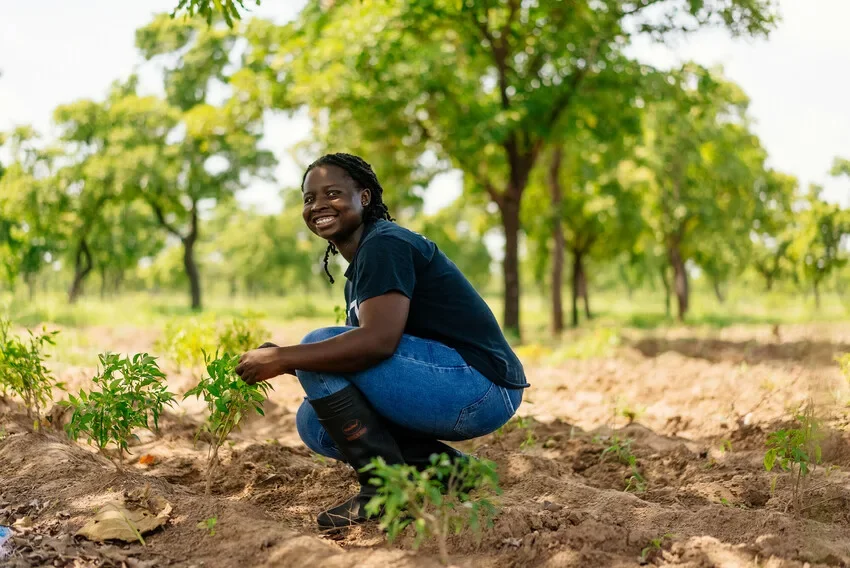
Why are Women Important in Farming?
Women farmers play a critical role in sustaining food systems and improving household nutrition across the globe. Their daily work supports crop production, livestock care, and food preparation, all of which contribute directly to the stability of rural families and local economies.
When women receive the support and opportunities they need, agricultural productivity often improves and communities become more resilient to economic and environmental pressures. This growing recognition helps explain why the future of farming is female, as stronger participation from women strengthens the foundations of rural development.
Despite the challenges they encounter, women in agriculture remain central to reducing poverty and advancing rural progress. Their involvement in farming activities not only supports local food supply but also promotes greater gender equality within agricultural communities.
With proper support, female farmers have demonstrated the ability to drive meaningful change, improving both livelihoods and long-term sustainability in the areas where they work. Yet access to opportunities remains uneven. Female farmers often have fewer resources at their disposal, including farming tools, financial support, training, and market connections.
In many cases, they also have limited influence over household financial decisions or the land they cultivate. Long-standing traditions and cultural expectations in certain regions continue to reinforce these disparities. Social norms can also restrict women from entering certain agricultural activities that may offer better economic returns.
According to the Food and Agriculture Organization of the United Nations, farms managed by women often produce 20–30 percent less than those run by men, largely because women face greater limitations in accessing the resources and support required for efficient farming. Addressing these inequalities would not only benefit women but also significantly enhance global agricultural output and food security.
Why Should Women Be Supported in Farming?
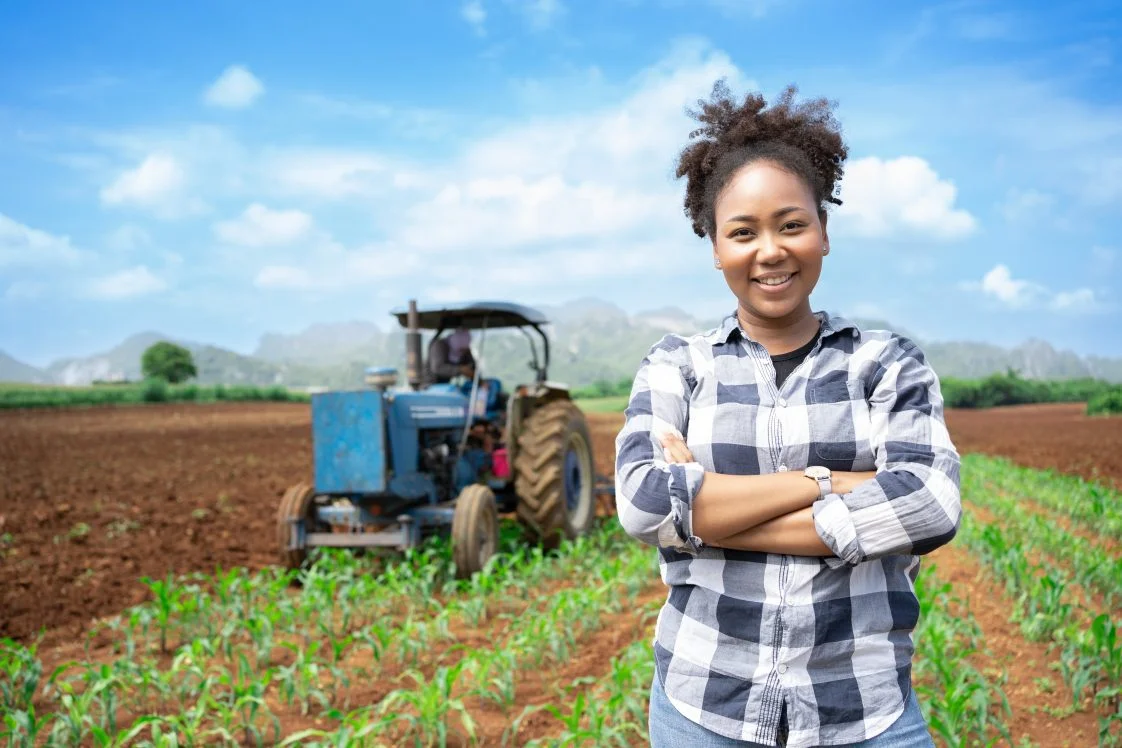
Supporting women in agriculture is essential for strengthening global food systems and improving rural livelihoods. Women already play a central role in growing food, managing farms, and maintaining household nutrition.
Providing them with equal opportunities, resources, and training allows them to expand their impact and contribute even more effectively to agricultural development. Increasing support for women farmers is one of the strongest arguments behind why the future of farming is female, as inclusive agricultural systems tend to be more productive and resilient.
When women farmers gain access to land, financing, modern equipment, and agricultural education, farm productivity often rises. These improvements benefit not only individual households but also entire communities. Higher yields mean greater food availability, stronger rural economies, and improved living standards for families who depend on agriculture for survival.
Support for women in agriculture also strengthens food security. Women typically invest a large portion of their income back into their families, particularly in areas such as food, healthcare, and education. As a result, empowering women farmers often leads to better nutrition outcomes and healthier communities.
In addition, many women farmers actively adopt practices that protect soil, conserve water, and preserve biodiversity. Their close connection to land management and household well-being encourages long-term thinking when it comes to farming decisions. This approach is particularly valuable as agriculture faces growing pressure from climate change and environmental degradation.
However, the potential of women in agriculture can only be fully realized when systemic barriers are addressed. Expanding access to credit, strengthening agricultural training programs, improving land rights, and creating leadership opportunities for women are all critical steps toward building a more balanced and productive farming sector.
Investing in women farmers is not simply a matter of fairness, it is a strategic approach to improving global agriculture. As awareness grows around the importance of gender equality in farming, it becomes increasingly clear that empowering women in agriculture is key to building sustainable food systems and ensuring long-term agricultural progress.
Comments (0)
Leave a Comment
Sign in to comment.